Act 60 Review

Comprehensive Act 60 Crypto Tax Compliance Review

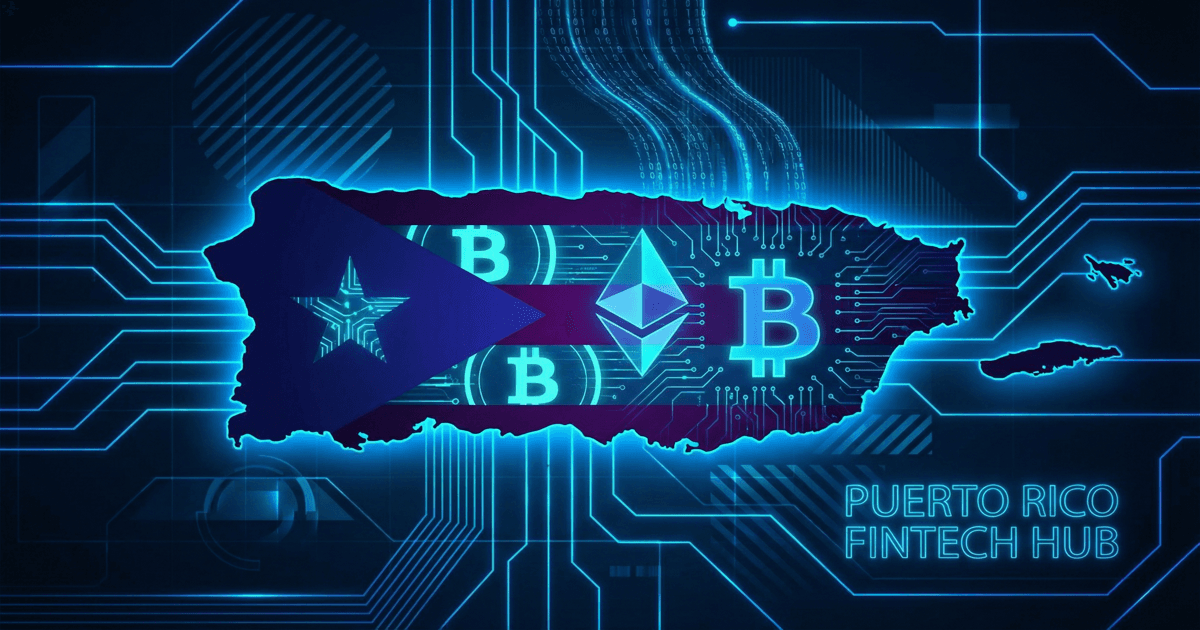
Navigating cryptocurrency taxation under Puerto Rico's Act 60 presents unique challenges. Our AI-powered platform, verified by CPAs, provides an exhaustive review of your crypto-related income, ensuring every transaction aligns with Puerto Rico's complex tax laws and the IRC.

Comprehensive Act 60 Crypto Tax Compliance Review

Understanding Crypto Taxation Under Act 60

For an Act 60 decree holder, understanding the nuances of cryptocurrency taxation is paramount. Gains from the sale of cryptocurrencies are generally sourced to your bona fide residence in Puerto Rico. This means that if you acquired the crypto *after* moving to Puerto Rico, the gains could be 100% exempt from taxes. However, any appreciation that occurred *before* your move is typically subject to U.S. federal capital gains tax. Our comprehensive review process, which analyzes over 200 compliance rules, is designed to help identify these critical distinctions. We scrutinize transaction histories to differentiate between pre- and post-move appreciation, a common area of error that traditional CPA firms, who may charge between $5,000 and $25,000 for a review, can sometimes overlook. This level of detail is essential for maintaining compliance and is a cornerstone of the analysis provided by our CPA-verified AI platform.

Token Classification and Tax Implications

The classification of a digital asset is not merely academic; it has direct and significant tax consequences. Is your token a security, a utility token, or a non-fungible token (NFT)? Each classification carries a different tax treatment under both U.S. and Puerto Rican law. For instance, income from staking or lending what might be classified as a security token could be treated as interest income, which is taxed differently than capital gains. The IRS and Hacienda are increasingly sophisticated in their analysis of these assets, making accurate classification critical. Our system cross-references your holdings against a database of token classifications and relevant tax rulings, such as those discussed in GAO Report GAO-26-107225, to flag potential mischaracterizations. This automated analysis helps ensure your filings reflect the correct treatment for every asset, a task that is becoming increasingly complex in a rapidly evolving market.

DeFi, NFTs, and Advanced Scenarios

Decentralized Finance (DeFi) and NFTs introduce another layer of complexity. Activities like liquidity mining, yield farming, and airdrops create taxable events that are often difficult to track and value. For example, receiving governance tokens from a DeFi protocol may constitute ordinary income at the time of receipt, and any subsequent appreciation would be a capital gain. The sourcing rules for this income under Act 60 are intricate and require careful consideration. Our AI-driven review is specifically designed to parse these complex transactions from platforms like Uniswap, Aave, and others. It can help identify unreported income from DeFi activities and ensure proper sourcing under Act 60, providing a level of scrutiny that goes beyond what many can achieve on their own. With the digital asset market being historically underserved, our tool provides a much-needed layer of verification.

Frequently Asked Questions

How does Act 60 affect taxes on crypto I owned before moving to Puerto Rico?

Under Act 60, any appreciation in your cryptocurrency's value that occurred *before* you became a bona fide resident of Puerto Rico is typically subject to U.S. federal capital gains tax upon sale. Only the gains accrued *after* your move are eligible for the 0% tax rate. Our review can help analyze your transaction data to properly allocate these gains.

Is income from staking and lending crypto tax-free under Act 60?

Not necessarily. Income from staking and lending may be treated as interest or ordinary income, not capital gains. As such, it may not be eligible for the 0% capital gains tax rate under Act 60. The specific tax treatment depends on the nature of the protocol and the token. Our system is designed to identify and flag these potential issues for further review.

What are the reporting requirements for crypto exchanges under Act 60?

While living in Puerto Rico, you are still subject to U.S. federal reporting requirements, including FBAR for foreign accounts holding over $10,000 and Form 8938 for specified foreign financial assets. Many crypto exchanges are considered foreign, so these rules may apply. Our review helps identify potential filing obligations you might have based on your exchange usage.

Ready to Check Your Return?

Get a comprehensive AI review of your Puerto Rico tax return in under 24 hours. Catch errors before the IRS does.

Get Your Review

Related Topics

This content is for informational purposes only and does not constitute tax, legal, or accounting advice.